The Evolution of Implantology: Navigating Dental Implant Costs in 2026
As we approach 2026, the field of dental implantology continues to undergo a significant transformation. Driven by breakthroughs in biotechnology, artificial intelligence (AI), and material science, dental implants have solidified their position as the gold standard for tooth replacement. However, for patients, understanding the financial landscape of these procedures is as crucial as understanding the clinical benefits. This guide provides an academic and professional deep dive into the factors governing dental implant prices in 2026.
The Core Components of Dental Implant Pricing
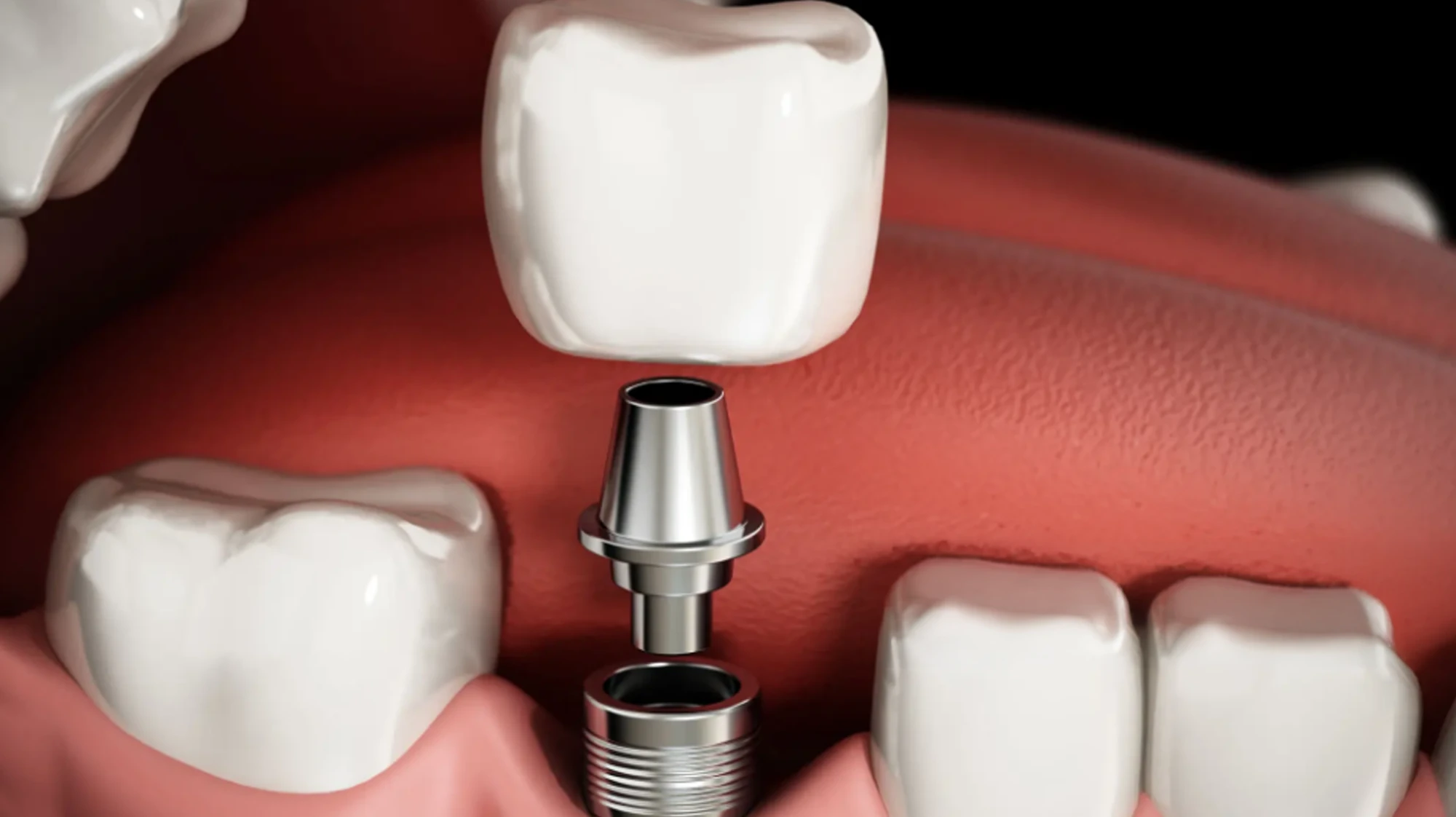
To understand the pricing structure of 2026, one must first deconstruct the procedure into its constituent clinical and material parts. A single dental implant is not a solitary item but a multi-stage restorative system.
- The Implant Fixture: This is the screw-like post, typically made of grade 5 titanium or high-performance zirconia, that is surgically inserted into the jawbone. In 2026, surface modifications (such as hydrophilic coatings) designed to accelerate osseointegration have become a standard pricing variable.
- The Abutment: The connector piece that joins the implant to the crown. Custom-milled CAD/CAM abutments are now the preferred choice over stock abutments, offering better aesthetic and periodontal outcomes, albeit at a higher cost.
- The Prosthesis (Crown): The visible part of the tooth. High-translucency monolithic zirconia and E-max ceramics are the leading materials in 2026, valued for their durability and lifelike appearance.
Technological Drivers of Cost in 2026
The integration of advanced technology into the surgical workflow has improved success rates but also influenced the overall investment required for treatment.
1. AI-Driven Surgical Planning
By 2026, Artificial Intelligence has become integral to diagnostic imaging. AI algorithms analyze CBCT (Cone Beam Computed Tomography) scans to identify optimal bone density zones and nerve pathways with micron-level precision. This high-tech planning reduces surgical risks but adds a diagnostic fee to the total cost.
2. 3D Printed Surgical Guides
Guided surgery is no longer an outlier. The use of 3D-printed templates ensures that the implant is placed exactly where the digital plan dictates. This 'static navigation' minimizes trauma and speeds up recovery times, representing a value-added service in modern clinics.
3. Robotic-Assisted Implantology
In premium dental centers, robotic systems assist surgeons in real-time. These systems provide haptic feedback, preventing any deviation from the pre-planned path. While increasing the initial procedure cost, robotic assistance significantly enhances the longevity of the implant by ensuring perfect positioning.
Clinical Variables Affecting Total Expenditure
No two patients present the same biological landscape. Several clinical factors can necessitate supplementary procedures, thereby increasing the final price.
- Bone Grafting and Sinus Lifts: Patients with insufficient bone volume require regenerative procedures. The use of synthetic bone morphogenetic proteins (BMPs) or autogenous bone grafts adds to the surgical complexity and cost.
- Periodontal Health: Managing existing gum disease is a prerequisite. Pre-implant periodontal therapy is essential for long-term success but represents an additional phase of treatment.
- Full-Arch Rehabilitations: Systems like 'All-on-4' or 'All-on-6' utilize fewer implants to support a full bridge. While the cost per implant might be lower in a package, the total restorative cost for a full arch is a significant investment.
Global Economic Trends and Dental Tourism
In 2026, the cost of dental implants varies significantly by geography. This disparity has fueled the growth of dental tourism, where patients travel to clinical hubs known for combining high-tier expertise with competitive pricing.
The Western Market (USA, UK, Germany)
In these regions, prices remain high due to significant overhead costs, malpractice insurance, and high labor wages. A single implant often ranges from $3,000 to $5,000, including the crown and abutment. These markets focus heavily on long-term warranties and localized aftercare.
Emerging Clinical Hubs (Turkey, Poland, Mexico)
Countries like Turkey have invested heavily in 'Health 4.0' infrastructure. By 2026, these nations offer the same premium brands (Straumann, Nobel Biocare, etc.) and AI-driven technologies found in the West but at 50-70% lower costs. This is primarily due to lower operational expenses and favorable exchange rates, making high-end dental care accessible to a global demographic.
The Longevity Argument: Cost vs. Value
When evaluating 2026 dental implant prices, it is vital to distinguish between 'price' and 'value.' While traditional bridges or dentures have a lower upfront cost, they often require replacement every 5 to 10 years and do not prevent bone resorption. Dental implants, with a success rate exceeding 97% in 2026, are designed to last a lifetime. When amortized over 25-30 years, the annual cost of a dental implant is significantly lower than any other restorative option.
Insurance and Financing in 2026
The insurance landscape has evolved slowly. While many providers still categorize implants as 'cosmetic,' an increasing number of corporate plans in 2026 recognize them as 'major restorative' work, covering 20% to 50% of the cost. Additionally, third-party financing and in-house membership plans have become standard, allowing patients to spread the cost over several years with low-interest rates.
Conclusion: Making an Informed Decision
The 2026 dental implant market is defined by precision, high-quality materials, and a globalized approach to care. While the initial price may seem substantial, the integration of AI and robotic technology ensures a level of predictability and longevity that was unattainable a decade ago. Patients are encouraged to seek comprehensive consultations that include 3D imaging and a detailed breakdown of the proposed materials. In the realm of oral health, the cheapest option is rarely the most economical in the long run. Investing in a reputable surgeon and high-quality implant system remains the most prudent financial and medical decision for 2026 and beyond.

Next-Generation AI-Guided Implant Placement
