Introduction: Investing in Your Ultimate Smile
A beautiful smile is more than just an aesthetic asset; it is a gateway to confidence, professional success, and personal happiness. Dental veneers have revolutionized cosmetic dentistry, offering a transformative solution for stained, chipped, or misaligned teeth. However, for most patients, the primary concern is longevity: How long do dental veneers last?
In this comprehensive guide, we will delve into the scientific and practical aspects of veneer durability. We will explore the differences between materials, the impact of clinical expertise, and the daily habits that can extend the life of your investment. If you are looking for a permanent boost in your self-esteem, understanding the lifecycle of a veneer is the first step toward a lifelong radiant smile.
The Lifespan of Different Veneer Materials
Not all veneers are created equal. The material used plays a pivotal role in determining how many years of service you will get from your dental restoration. Generally, veneers last between 10 to 30 years depending on the type and care.
1. Porcelain Veneers (The Gold Standard)
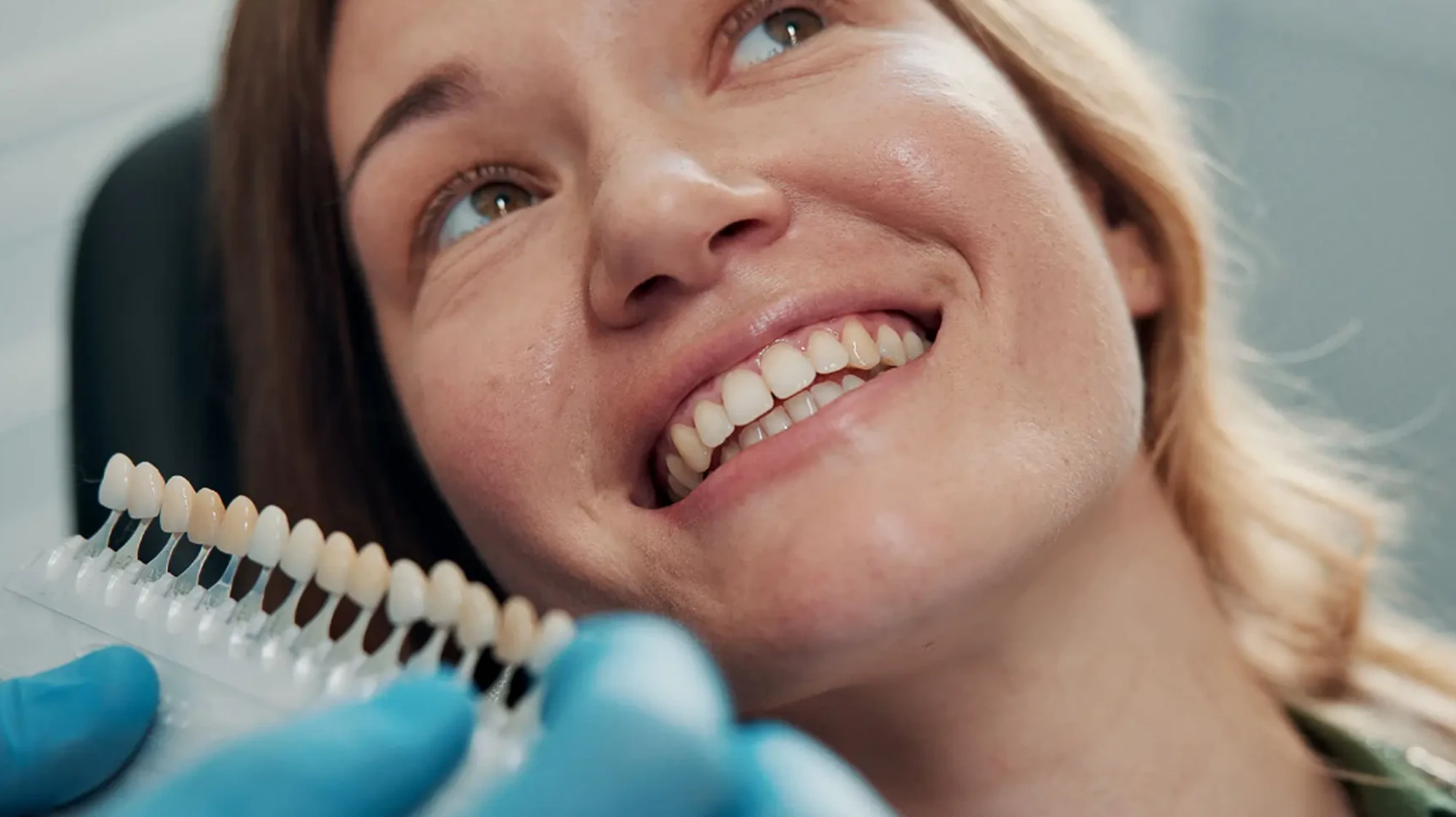
Porcelain veneers are the most popular choice for patients seeking durability and natural aesthetics. On average, high-quality porcelain veneers last between 10 to 15 years, though with exceptional care, they can often exceed 20 years. Porcelain is highly resistant to staining and mimics the light-reflecting properties of natural enamel.
2. Composite Veneers (The Quick Fix)
Composite resin veneers are applied directly to the teeth in a single visit. While they are more affordable, their lifespan is shorter, typically ranging from 5 to 7 years. They are more prone to chipping and staining over time compared to their porcelain counterparts.
3. Zirconia and E-Max Veneers (Premium Durability)
E-max (Lithium Disilicate) and Zirconia represent the pinnacle of dental material science. These materials are incredibly strong and can withstand significant biting forces. When bonded correctly by an expert, these can easily last 20+ years, making them the most cost-effective long-term investment.
Factors That Influence the Longevity of Your Veneers
The survival rate of dental veneers is not just about the material; it is a combination of biological, mechanical, and behavioral factors. To ensure your veneers stand the test of time, consider the following variables:
- The Skill of the Cosmetic Dentist: The precision of the preparation and the quality of the bonding process are critical. A poorly fitted veneer can lead to bacterial leakage and premature failure.
- Gum Health: Healthy gums provide the foundation for veneers. Gum recession can expose the margins of the veneer, leading to aesthetic issues or decay at the tooth-veneer interface.
- Bite Alignment (Occlusion): If your teeth are not properly aligned, excessive force may be placed on the veneers, leading to fractures.
- Oral Hygiene Habits: While the veneer itself cannot decay, the underlying tooth structure can. Strict brushing and flossing are non-negotiable.
How to Extend the Life of Your Veneers: Expert Tips
Once you have achieved your dream smile, you want to protect it. Follow these professional recommendations to maximize the lifespan of your veneers:
Avoid Using Your Teeth as Tools
Many patients accidentally damage their veneers by using their teeth to open packages, bite nails, or chew on pens. Veneers are designed for chewing food, not for mechanical tasks. Treat them with the same care you would give to fine porcelain.
Combat Bruxism (Teeth Grinding)
If you grind your teeth at night, you are putting immense pressure on your restorations. A custom-fitted night guard is essential to protect your veneers from the destructive forces of bruxism.
Maintain Regular Professional Cleanings
Routine dental check-ups every six months allow your dentist to monitor the integrity of the veneers and the health of the surrounding tissue. Professional cleanings remove plaque that you might miss at home.
Mind Your Diet
While porcelain is stain-resistant, the bonding agent used can sometimes discolor. Additionally, biting into extremely hard foods (like ice or hard candy) can cause the porcelain to crack. It is often recommended to cut hard fruits like apples into smaller pieces rather than biting directly into them.
When Is It Time to Replace Your Veneers?
Even the best-maintained veneers may eventually need replacement. Here are the signs that it’s time to schedule a consultation for a refresh:
- Visible Chips or Cracks: Small chips can sometimes be polished, but significant cracks compromise the tooth's protection.
- Darkening of the Underlying Tooth: If the tooth beneath the veneer decays or the bonding material stains, it may show through the porcelain.
- Gum Recession: If the gums pull away, creating a visible gap between the veneer and the gum line, replacement is often necessary for aesthetic reasons.
- Loose Veneers: If the bonding agent fails and the veneer feels loose, it must be reapplied or replaced immediately to prevent decay.
Why Choose Professional Excellence for Your Veneers?
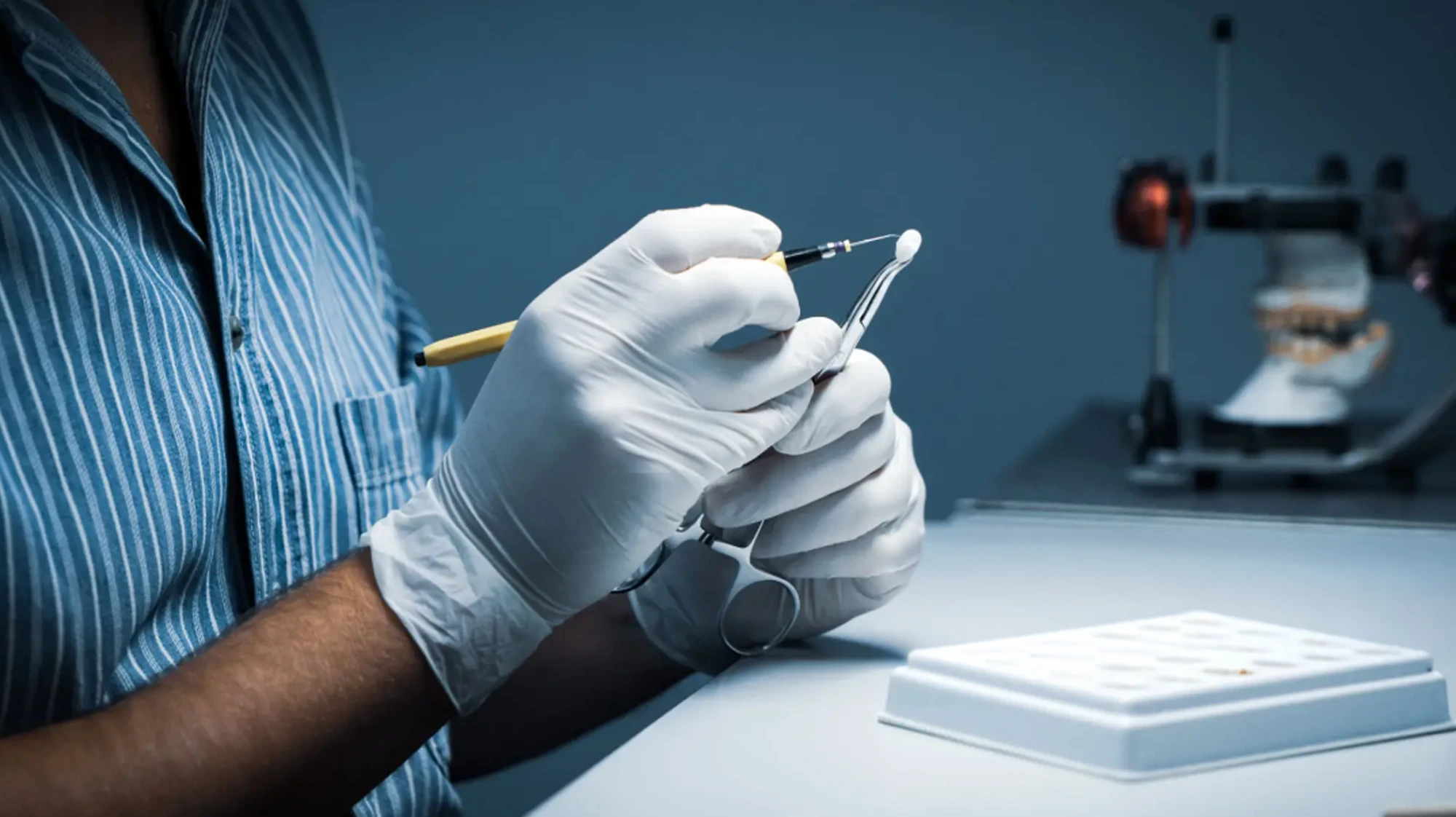
The secret to a 20-year smile lies in the hands of the practitioner. At our clinic, we combine state-of-the-art digital smile design with the highest grade of biocompatible materials. We don't just apply veneers; we engineer a smile that complements your facial structure and stands the test of time.
Our team utilizes advanced bonding techniques that ensure a seamless transition between your natural tooth and the veneer, minimizing the risk of failure and maximizing the aesthetic outcome. We believe that a veneer procedure is not just a treatment; it is a life-changing investment in your confidence.
Conclusion: Your Path to a Permanent, Beautiful Smile
Dental veneers are a remarkable marriage of art and science. While they are not considered a permanent procedure in the sense that they will last forever, their 10 to 25-year lifespan makes them one of the most durable cosmetic enhancements available today. By choosing high-quality materials and a skilled dental team, you are securing a radiant smile for the decades to come.
Are you ready to transform your smile with veneers that last? Don't settle for anything less than perfection. Contact our expert team today to schedule your comprehensive consultation and take the first step toward the smile you’ve always deserved.
Book Your Appointment Today!
Join thousands of satisfied patients who have found their confidence through our expert cosmetic dentistry services. Click the button below or call us to start your journey to a flawless, long-lasting smile.

Lifespan of Porcelain Veneers